When Walking Away Is the Lesson: What Program Dropouts Know About Learning With Intent
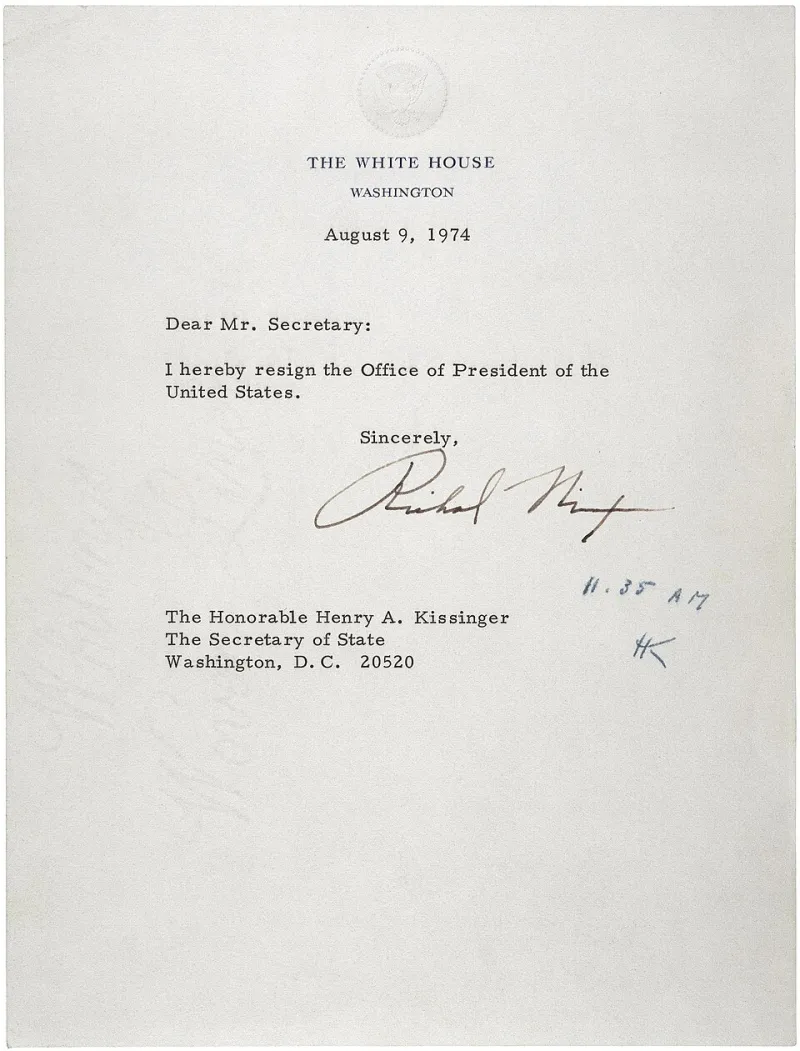
Photo: Former U.S. President Richard M. Nixon, officially a work of the U.S. government, Public domain, via Wikimedia Commons
In American professional culture, the word "dropout" carries a moral weight. It suggests a lack of discipline, an inability to finish what was started. But talk to adults who have left degree or certificate programs mid-way—deliberately, with their eyes open—and a different picture emerges. Many describe the decision not as giving up on learning, but as the moment they finally took responsibility for it.
The Exit That Forces Clarity
Consider the pattern that repeats across these stories. A marketing coordinator enrolls in a part-time MBA program, pays for two semesters, and realizes that four of her five courses cover material she already uses daily. A mid-career IT professional starts a master's in data analytics, then discovers the curriculum lags two years behind the tools his employer actually needs. In both cases, leaving was not an escape from rigor. It was a refusal to keep paying—money, evenings, and momentum—for content that no longer matched the goal.
The act of withdrawing, uncomfortable as it is, functions as a forced audit. To justify leaving, a person has to articulate what they were trying to learn in the first place. That articulation, many former students say, was worth more than the courses themselves. One learner described it as "the first time I wrote down what I actually wanted from my education instead of accepting the syllabus I was handed."
The Hidden Curriculum of Quitting Well
There is a difference between dropping out and opting out. The former is usually passive—attendance fades, deadlines slip, and the program quietly expires. The latter is an active decision with a replacement plan attached.
Adults who exit well tend to share three habits:
- They name the gap before they leave. They can state, in a sentence, what the program was supposed to give them and why it stopped delivering.
- They salvage the sunk cost. Completed coursework, project work, and professional contacts get repurposed rather than abandoned.
- They replace before they remove. A self-directed plan—mentored projects, targeted courses, on-the-job stretch assignments—exists before the tuition payments stop.
This is not a defense of impulsivity. Formal programs still deliver real value: structure, credentialing, networks, and accountability that self-directed learners often struggle to replicate. The point is that enrollment should be a means, not an identity.
A Framework for the Stay-or-Leave Decision
If you are currently enrolled and quietly wondering whether the program is serving you, three questions can sharpen the decision.
1. Can I trace a line from this semester's coursework to a specific professional outcome? Not a vague hope of advancement, but a concrete capability or credential that a target role requires. If the line cannot be drawn, you are accumulating credit, not capability.
2. Is the program the only route to that outcome? For licensed professions—nursing, law, accounting—the answer is usually yes, and leaving is not on the table. For many business and technology fields, however, demonstrable work often outweighs the transcript. Knowing which category you are in changes everything.
3. What is the full cost of staying, honestly calculated? Tuition is only part of it. Add the opportunity cost of evenings, the delay of career moves, and the energy diverted from projects that could build your portfolio now.
If the answers point toward the exit, the mature move is not a dramatic departure but a transition: finish the current term, extract every transferable asset, and launch a deliberate self-directed plan with deadlines and external accountability to replace the structure you are giving up.
Reframing the Story
There is a final, practical concern: how does a departure read on a résumé or in an interview? Less harshly than most people fear. Hiring managers in 2025 increasingly verify skills rather than pedigree, and a candidate who says, "I left the program when I realized three targeted courses and a portfolio project would get me to the same place faster," tells a story of judgment, not fragility—provided the portfolio backs it up.
The adults profiled in these exit stories share one trait worth emulating regardless of whether you stay enrolled: they treat their education as something they administer, not something they attend. Whether your next skill comes from a lecture hall, a library, or a late-night project, the person deciding what you need to learn should be you. Sometimes it takes walking out of a classroom to learn that.